

Elite sports nutrition
Sports nutritionists are not just advisors; they are integral to an athlete’s success. They assess nutritional needs, develop tailored meal plans, and monitor athletes’ dietary habits eclipse casino no deposit bonus. With the focus on personalization, these nutritionists often have to adapt their strategies to accommodate the unique physiological demands of different sports.
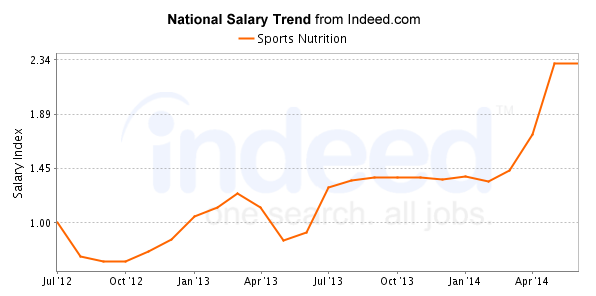
A sport nutritionist’s salary is largely dependent on their level of formal education, experience, specialized training, industry in which they work, and geographic location. As of May 2021, the states with the highest average salary for nutritionists included:
Experience is one of the most influential factors determining a sports nutritionist’s salary. As professionals gain more experience and expertise, their earning potential increases significantly. Here’s how experience correlates with salary:
In a landscape where a significant portion of athletes struggle financially, the remuneration of sports nutritionists exemplifies a broader conversation about support systems in competitive sports. Reports indicate that while the average salary of sports nutritionists is competitive, it varies widely based on experience, location, and role. How does the reality of their earnings stack up against the backdrop of skyrocketing costs for training and competing at elite levels?
Sports nutrition centers
Hydration is key for any athlete, especially on hot and humid days, because the biggest hindrance of performance is dehydration. Everybody has a different sweat rate, so people’s fluid needs are very different.
One of the roles of sports nutritionists is to help debunk these myths and provide athletes with accurate information. Here are three of the top sports nutrition myths — and what the facts really say.
When you’re an athlete racking up miles and muscle, your body needs extra fuel to keep up with the amount of exercise you’re doing and help speed up recovery. That’s what makes sports nutrition so important — it offers you a path to making sure you’re getting all the nutrients you need, even as you sweat.

Hydration is key for any athlete, especially on hot and humid days, because the biggest hindrance of performance is dehydration. Everybody has a different sweat rate, so people’s fluid needs are very different.
One of the roles of sports nutritionists is to help debunk these myths and provide athletes with accurate information. Here are three of the top sports nutrition myths — and what the facts really say.
Armed sports nutrition
There are also reports that certain brands will have the Informed Sport logo on packaging for products that do not necessarily undergo testing and also the logo may be used on brand websites when only certain products in their range are tested.
An ideal sports diet will contain a mixture of complex and simple carbohydrates. Complex carbohydrate sources include vegetables, fruits, and dairy products. Simple carbohydrate sources include sugars, grains, and sweets.
A recent study found that athletes have an increased need for protein. Researchers measured how much athletes ate in grams per kilogram of body weight. The results showed that they need more than the recommended daily amount.
Established by one of the world’s premier doping control laboratories in 2008, LGC established informed Sport as a globally acclaimed banned substance testing and certification programme for sports supplements.